


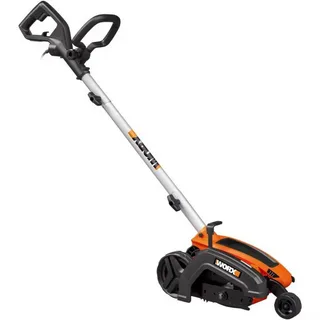
Choosing garden tools can feel simple at first, but once you start comparing models, power types, and features, it quickly becomes more complex. This guide on How to Choose the Right Electric Lawn Edger for Your Garden will help you understand what matters most so you can make a confident and practical decision.
Understanding What an Electric Lawn Edger Does
Before learning How to Choose the Right Electric Lawn Edger for Your Garden, it’s important to understand what the tool actually does.
An electric lawn edger is designed to create clean, sharp lines along driveways, sidewalks, flower beds, and garden borders. Unlike a trimmer, which cuts grass at different angles, an edger works vertically to define edges precisely. This gives your lawn a professional, well-maintained appearance without requiring heavy manual labor.
Electric models are especially popular because they are quieter, lighter, and easier to maintain than gas-powered alternatives.
Key Power Options: Corded vs Cordless
One of the first decisions in How to Choose the Right Electric Lawn Edger for Your Garden is selecting the power source.
Corded Electric Edgers
Corded models plug directly into a power outlet.
Advantages:
- Unlimited runtime
- Consistent power
- Usually more affordable
Disadvantages:
- Limited by extension cord length
- Can be harder to maneuver in large gardens
Cordless Electric Edgers
Cordless models run on rechargeable batteries.
Advantages:
- Maximum mobility
- No tangled cords
- Ideal for medium to large yards
Disadvantages:
- Limited battery life
- Requires recharging between uses
Your garden size and layout will strongly influence which option is best.
Cutting Depth and Performance Features
When exploring How to Choose the Right Electric Lawn Edger for Your Garden, performance features are just as important as power type.
Adjustable Cutting Depth
Look for an edger that allows you to adjust cutting depth. This helps you control how deep the blade cuts into soil or grass, giving you flexibility for different landscaping needs.
Blade Quality
Steel blades tend to last longer and provide cleaner cuts. Some models also include replaceable blades, which can extend the tool’s lifespan.
Motor Power
Higher voltage or amperage generally means better cutting performance. If you have thick grass or compact soil edges, a stronger motor will make the job easier.
Comfort and Ease of Use
Another important factor in How to Choose the Right Electric Lawn Edger for Your Garden is user comfort.
Weight and Balance
A lightweight edger reduces fatigue, especially if you have a large yard. Good balance also improves control and precision.
Handle Design
Look for adjustable or ergonomic handles. Soft grips can make a big difference during longer gardening sessions.
Wheel Support
Some electric edgers come with guide wheels, helping you maintain a straight and consistent edge without much effort.
Maintenance and Durability
Electric edgers are generally low-maintenance, but some models are easier to care for than others.
- Corded models: Check cords regularly for wear or damage
- Cordless models: Maintain battery health by following charging instructions
- Blades: Clean after use to prevent rust and buildup
Durability is an important consideration in How to Choose the Right Electric Lawn Edger for Your Garden, especially if you plan to use it frequently throughout the growing season.
Budget Considerations
Price is always a deciding factor. Electric lawn edgers come in a wide range of prices depending on brand, features, and build quality.
- Budget models: Suitable for small gardens and light use
- Mid-range models: Best balance of performance and price
- Premium models: Advanced features, higher power, longer durability
Instead of choosing the cheapest option, focus on long-term value and reliability.
Final Thoughts
Learning How to Choose the Right Electric Lawn Edger for Your Garden comes down to balancing power, convenience, comfort, and budget. A small garden may only need a lightweight corded model, while larger or more complex landscapes often benefit from a cordless, higher-powered option.
