


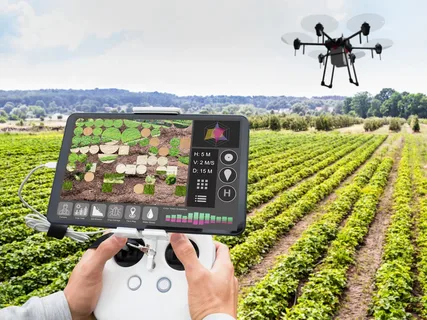
The agricultural industry is undergoing a remarkable transformation, driven by technological advancements. Among these innovations, smart agriculture: Driving Smart Farming Solutions stands out as a game-changer. By integrating artificial intelligence with traditional farming practices, farmers can optimize crop yields, reduce costs, and ensure sustainable food production.
The Role of AI in Modern Agriculture
Artificial intelligence (AI) is revolutionizing the way farms operate. With the ability to analyze massive datasets, AI can provide actionable insights for farmers. These insights range from predicting crop diseases to identifying optimal planting schedules. AI in Agriculture: Driving Smart Farming Solutions enables farmers to make informed decisions, enhancing productivity while minimizing resource waste.
Precision Farming with AI
Precision farming relies heavily on data. AI-powered tools can monitor soil health, weather patterns, and crop growth in real-time. By analyzing this data, AI systems can suggest precise amounts of water, fertilizers, and pesticides needed for each crop section. This not only improves yield but also promotes eco-friendly farming practices. Through precision farming, AI in Agriculture: Driving Smart Farming Solutions ensures that every inch of farmland is used efficiently.
Predictive Analytics for Crop Management
One of the most significant advantages of AI in agriculture is predictive analytics. AI models can forecast potential pest infestations, disease outbreaks, and yield outcomes. Farmers can then implement preventive measures ahead of time, reducing losses and maximizing profits. This predictive capability makes AI in Agriculture: Driving Smart Farming Solutions indispensable for modern agricultural enterprises.
Benefits Beyond Productivity
Beyond increasing productivity, AI offers benefits in sustainability and cost reduction. Automated machinery, guided by AI, reduces labor costs and ensures consistent quality in crop harvesting. Furthermore, AI-driven irrigation systems conserve water, supporting environmentally responsible farming. By adopting AI technologies, farms can meet the growing demand for food while maintaining sustainable practices.
Conclusion
The integration of artificial intelligence into farming practices is no longer optional; it is essential. AI in Agriculture: Driving Smart Farming Solutions empowers farmers to optimize operations, predict challenges, and embrace sustainability. As AI technology continues to evolve, its impact on agriculture will only grow, making smart farming the future of global food production.
