


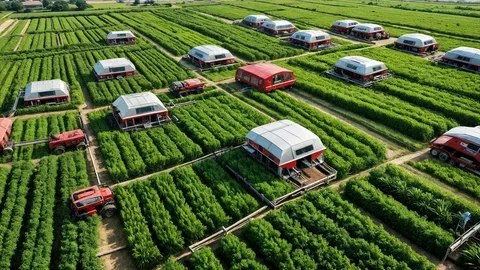
Agriculture has been the backbone of human civilization for thousands of years. However, traditional farming methods are increasingly being challenged by climate change, population growth, and limited natural resources. Enter smart agriculture: Transforming Traditional Farming with Advanced Technology, a revolutionary approach that is redefining how we grow, manage, and sustain crops.
What is Smart Agriculture?
Smart agriculture, also known as precision farming, involves the integration of modern technologies such as the Internet of Things (IoT), artificial intelligence (AI), drones, and big data analytics into traditional farming practices. The goal is to optimize productivity, reduce waste, and make farming more sustainable.
By leveraging sensors and real-time data, farmers can monitor soil health, crop growth, and weather conditions more accurately than ever before. This data-driven approach allows for precise decision-making, leading to higher yields and more efficient use of resources.
Key Technologies Driving Smart Agriculture
Several advanced technologies are transforming traditional farming:
1. IoT and Sensor Networks
IoT devices and sensors help monitor soil moisture, temperature, and nutrient levels. This real-time data enables farmers to apply water, fertilizers, or pesticides only where needed, reducing costs and environmental impact.
2. Drones and Satellite Imaging
Drones and satellites provide aerial imagery that helps farmers track crop health, detect pest infestations, and monitor irrigation systems. These insights allow for faster and more accurate interventions.
3. Artificial Intelligence and Machine Learning
AI-powered tools analyze vast amounts of agricultural data to predict crop yields, detect diseases early, and optimize planting schedules. Machine learning algorithms can even recommend the best crop varieties for specific environmental conditions.
Benefits of Smart Agriculture
The adoption of smart agriculture technologies offers several advantages over conventional farming methods:
- Increased Productivity: Data-driven insights help farmers maximize crop yields.
- Sustainability: Efficient use of water, fertilizers, and pesticides reduces environmental damage.
- Cost Savings: Precision farming minimizes waste and optimizes resource allocation.
- Risk Management: Predictive analytics help mitigate the effects of climate variability and pest outbreaks.
Challenges and Future Outlook
Despite its benefits, smart agriculture faces challenges such as high initial investment, lack of technical expertise, and data privacy concerns. However, with continued innovation and government support, these obstacles are gradually being addressed.
The future of farming lies in technology. As more farmers embrace smart agriculture solutions, traditional farming practices will evolve into a more efficient, sustainable, and profitable system.
Conclusion
Smart Agriculture: Transforming Traditional Farming with Advanced Technology is no longer a futuristic concept—it’s a reality reshaping the agriculture landscape today. By integrating AI, IoT, drones, and other technologies, farmers can achieve higher productivity, reduce environmental impact, and ensure food security for future generations. The shift from traditional to smart farming marks a pivotal step toward a more sustainable and technologically empowered agricultural world.
