


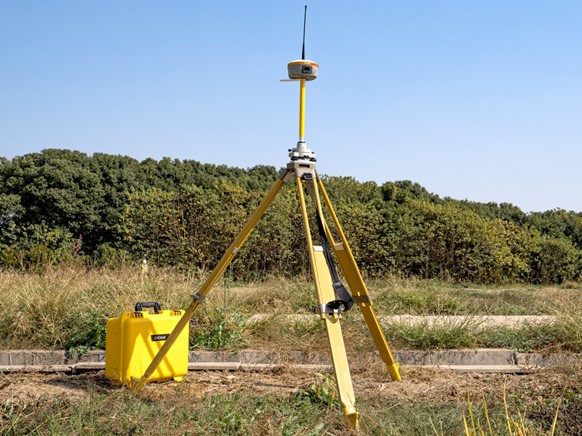
Modern agriculture is evolving rapidly as farmers adopt advanced technologies to improve productivity while protecting natural resources. One of the most important innovations in this transformation is the use of Global Navigation Satellite Systems (GNSS) in precision farming. The Benefits of precision farming gnss in Sustainable Agriculture are becoming increasingly clear as farmers seek smarter and more efficient ways to manage crops, reduce waste, and increase profitability.
Understanding Precision Farming GNSS
Precision farming GNSS uses satellite-based positioning systems to guide agricultural machinery and monitor field conditions with high accuracy. These systems help farmers perform tasks such as planting, fertilizing, spraying, and harvesting with minimal overlap and maximum precision.
The integration of GNSS technology allows tractors, harvesters, and drones to operate efficiently while collecting valuable field data. This information enables farmers to make informed decisions that improve crop performance and sustainability.
Improved Resource Efficiency
One of the key Benefits of Precision Farming GNSS in Sustainable Agriculture is better resource management. Farmers can apply fertilizers, pesticides, and water only where needed instead of treating entire fields uniformly.
This targeted application helps reduce:
- Excess fertilizer use
- Water wastage
- Chemical runoff into nearby ecosystems
- Fuel consumption
As a result, farming operations become more environmentally friendly and cost-effective.
Enhanced Crop Productivity
Precision farming GNSS improves planting accuracy and field management, leading to healthier crops and higher yields. Accurate row spacing and seed placement ensure that plants receive optimal sunlight, nutrients, and water.
Farmers can also monitor crop health using GNSS-enabled mapping systems, allowing them to detect issues early and take corrective action before problems spread across the field.
Reduced Environmental Impact
Sustainable agriculture focuses on protecting soil, water, and biodiversity. The Benefits of Precision Farming GNSS in Sustainable Agriculture include a significant reduction in environmental damage caused by traditional farming practices.
With precise field operations, farmers can minimize soil compaction by controlling machinery paths. Reduced chemical use also lowers pollution risks and helps preserve surrounding ecosystems.
Additionally, accurate irrigation management prevents overwatering, which contributes to soil degradation and water scarcity.
Better Fuel and Labor Management
GNSS-guided equipment reduces unnecessary overlaps and missed areas during field operations. This leads to shorter working hours, lower fuel consumption, and reduced machinery wear.
Automation also decreases the need for manual labor in repetitive tasks, allowing farm workers to focus on more important operational activities. Over time, these efficiencies help reduce production costs and improve farm profitability.
Data-Driven Decision Making
Modern precision farming systems collect valuable data about soil conditions, crop growth, and field variability. Farmers can analyze this information to improve planning and optimize future farming strategies.
The Benefits of Precision Farming GNSS in Sustainable Agriculture extend beyond immediate productivity gains because the technology supports long-term sustainability goals. Farmers can track trends, predict challenges, and adapt their practices to changing environmental conditions.
Support for Climate-Smart Agriculture
Climate change has created new challenges for the agricultural industry, including unpredictable weather patterns and resource shortages. GNSS technology supports climate-smart farming by helping producers maximize efficiency while reducing emissions and conserving resources.
Precision agriculture tools allow farmers to respond quickly to changing field conditions and maintain stable production even in difficult environments.
Conclusion
The adoption of GNSS technology is transforming modern agriculture by making farming more accurate, efficient, and environmentally responsible. The Benefits of Precision Farming GNSS in Sustainable Agriculture include improved resource management, increased crop yields, lower operational costs, and reduced environmental impact.
